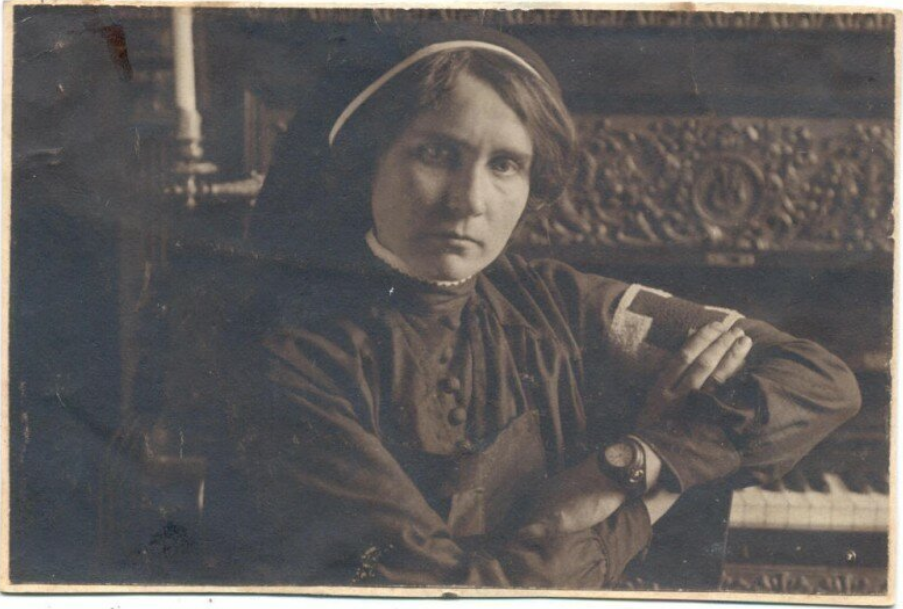
Wristwatches at War: How It All Began







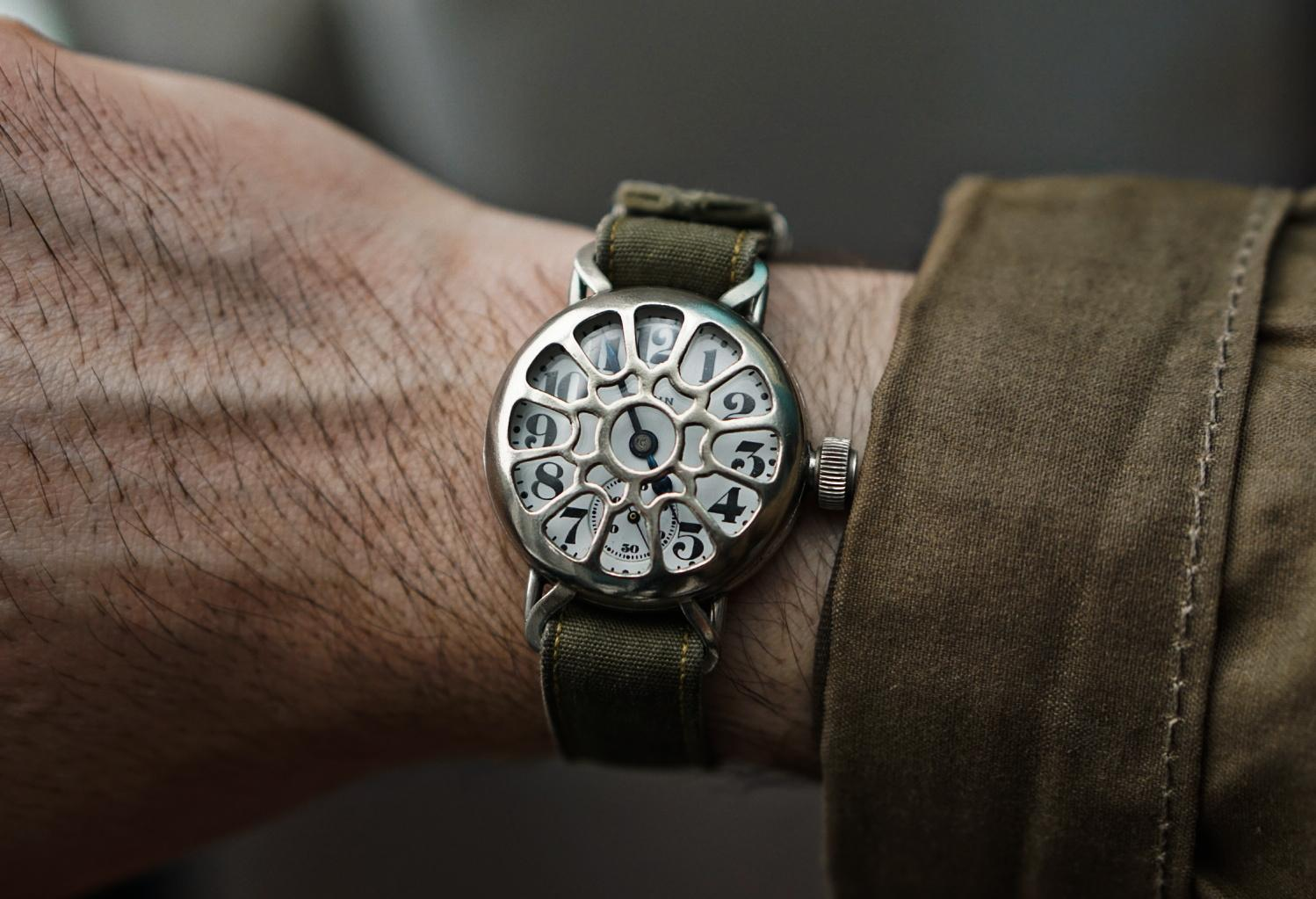
The military was among the first to adopt wristwatches on a large scale. During World War I, commanders faced difficulties coordinating across vast fronts, and pocket watches proved impractical. Wristwatches became indispensable – they were easy to read and essential in the trenches.
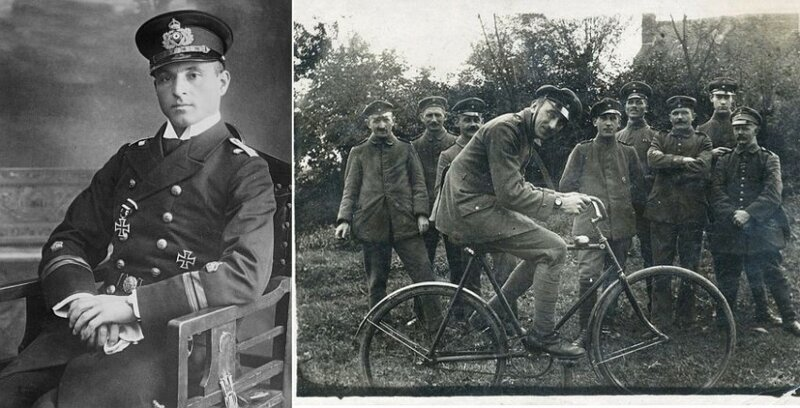
Prototypes of wristwatches appeared as early as the 19th century. It is said that officers of the Imperial German Navy originally sewed pocket watches onto their sleeves. In 1879, Girard-Perregaux presented a prototype wristwatch at the Berlin Fair, which so impressed Emperor Wilhelm I that he ordered 1,000 for the navy. By 1880, about 2,000 naval officers were wearing similar wristwatches.
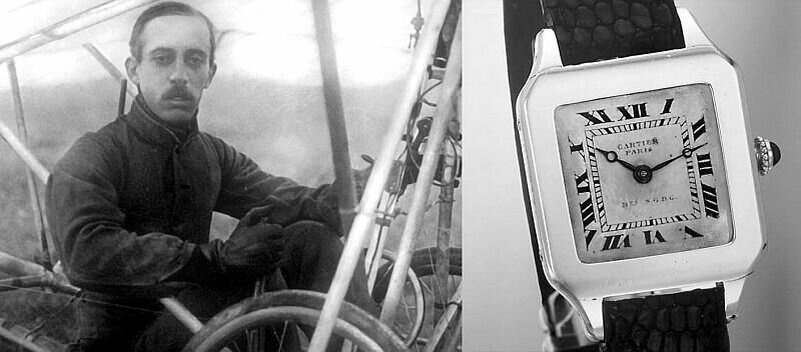
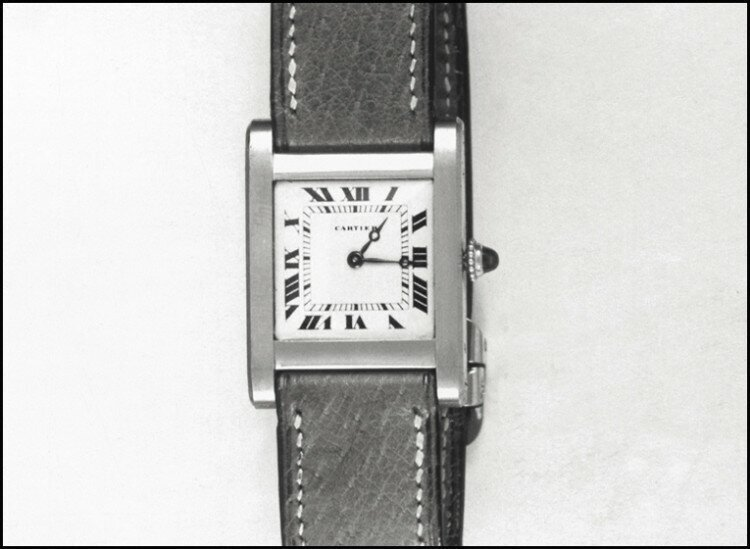
In 1898, Louis Cartier created the first wristwatch for women. In 1904, Brazilian aviator Alberto Santos-Dumont ordered a watch from Cartier for calculating flight time.
Omega had been offering wristwatches for military use since 1902. They were used by British officers during the Boer War, and a 1904 military report stressed that soldiers should be issued with watches that were resistant to heat, cold and sand.
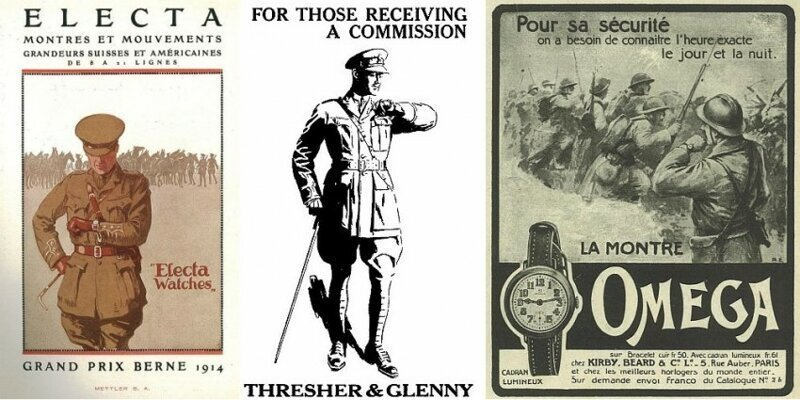
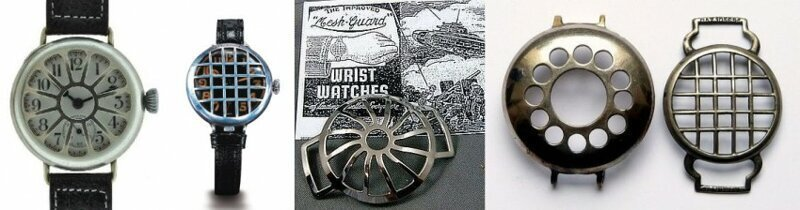
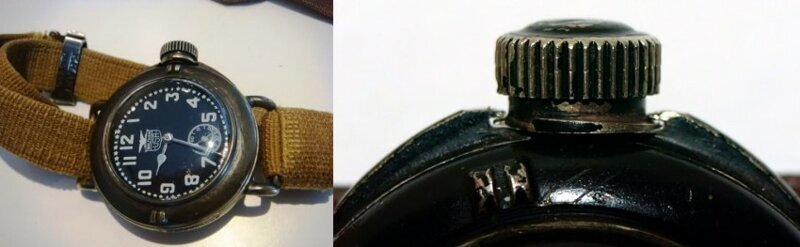
The term “trench watch” – a pocket watch adapted to be worn on the wrist – appeared in World War I. A 1916 officer’s manual stipulated glow-in-the-dark dials and unbreakable glass as essential.
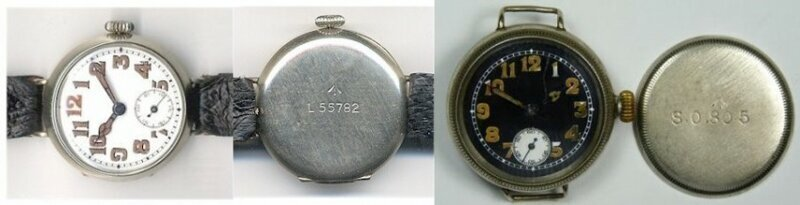
In 1917, the British War Office issued wristwatches with serial numbers and the "Pheon" (arrow) mark to soldiers of all ranks. They were supplied by companies such as H. Williamson, H. White and W. Ehrhardt, often with basic 7-jewel movements.
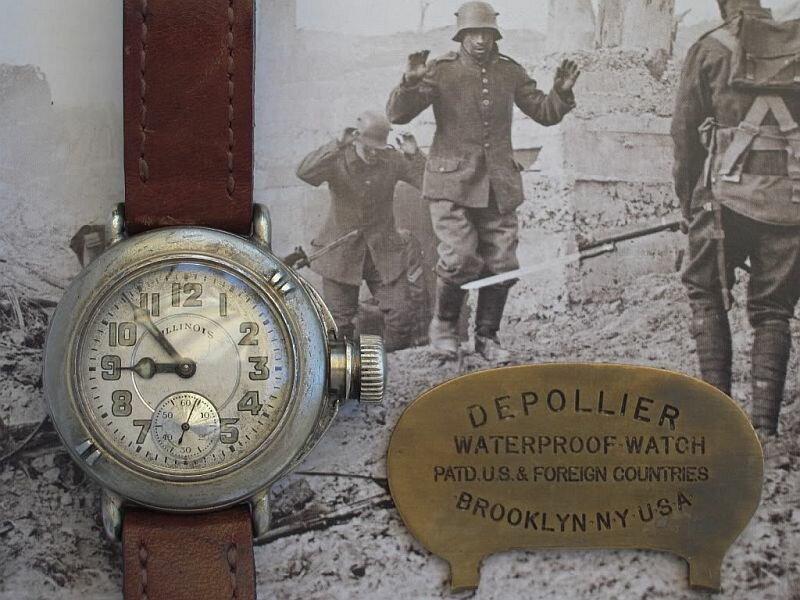
In the US, wristwatches were initially considered unmanly. However, the war changed this perception. The Ingersoll Radiolite model, supplied by Waterbury Clock (later Timex), was quickly adopted by the US armed forces.
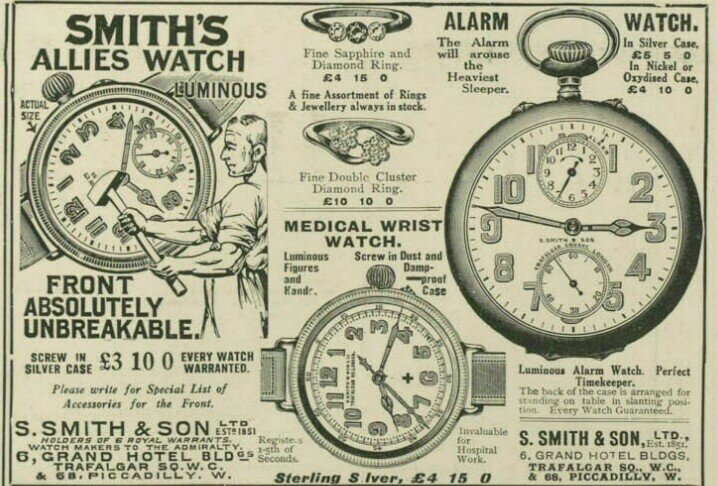
Depollier & Son developed advanced cases with screw-down crowns, seals and shatter-resistant glass – highly prized collectors' items today.
Swiss brands like IWC and Omega, as well as the iconic Cartier “Tank,” also emerged from these wartime innovations.
Accurate timekeeping played a key role in battles such as the Battle of the Somme, where it allowed the movement of infantry and artillery to be synchronized.
In the Russian Tsarist army, officers usually wore pocket watches. Private soldiers improvised “bracelet” watches or used modified cases. These watches often served as awards, as they were highly valued by soldiers.
In the Russian Tsarist army, officers usually wore pocket watches. Private soldiers improvised “bracelet” watches or used modified cases. These watches often served as awards, as they were highly valued by soldiers.